
Seismic processing and interpretation software
SeismicBundle turns advances in AI into tools for seismic processing and interpretation. Its tools are built for field data, helping geophysicists automate routine work and tackle more demanding analysis.
 Shot 412
 +
 Shot 412 +
 Shot 412 +





Modules
- Raw shot After processing
Processing
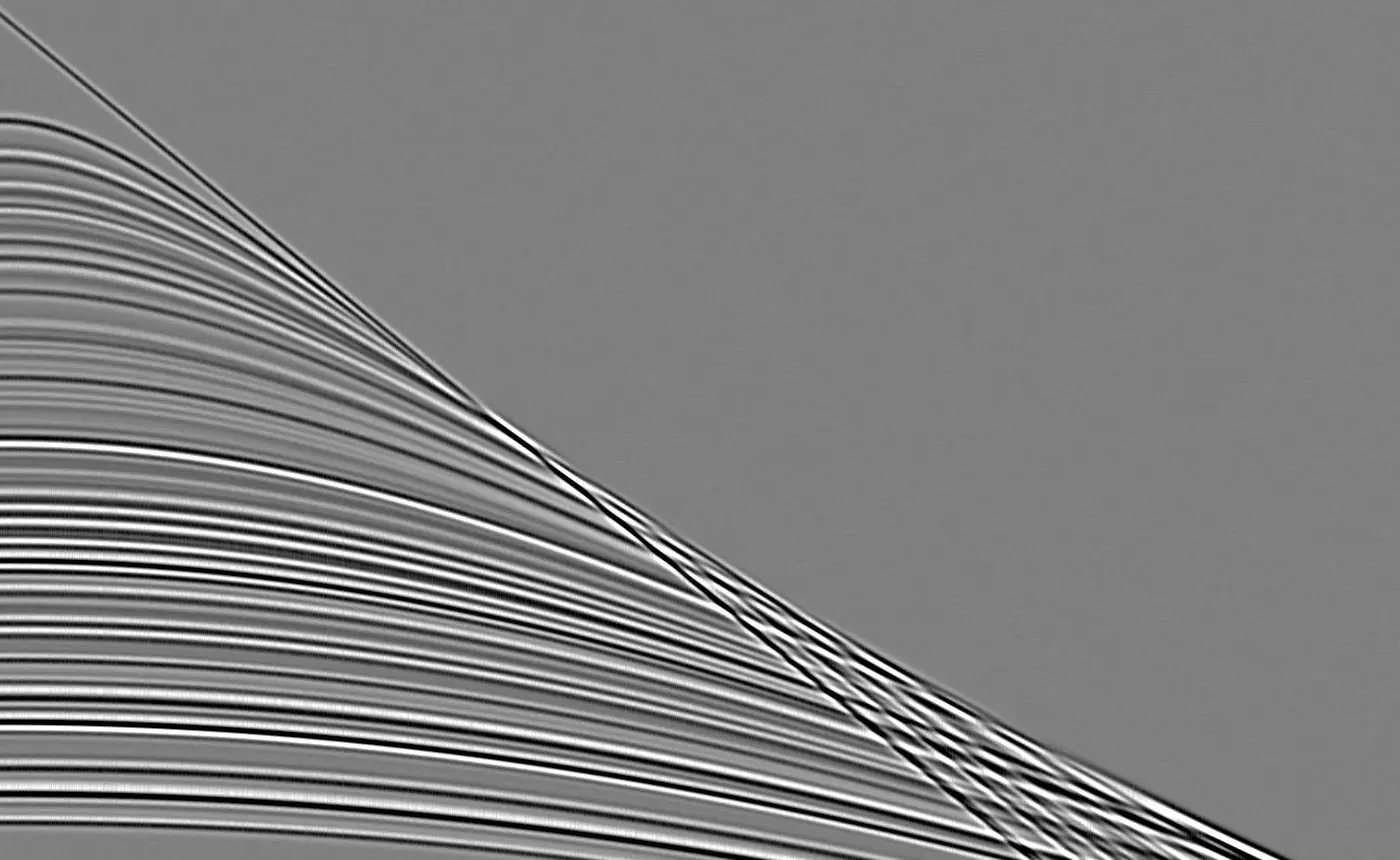
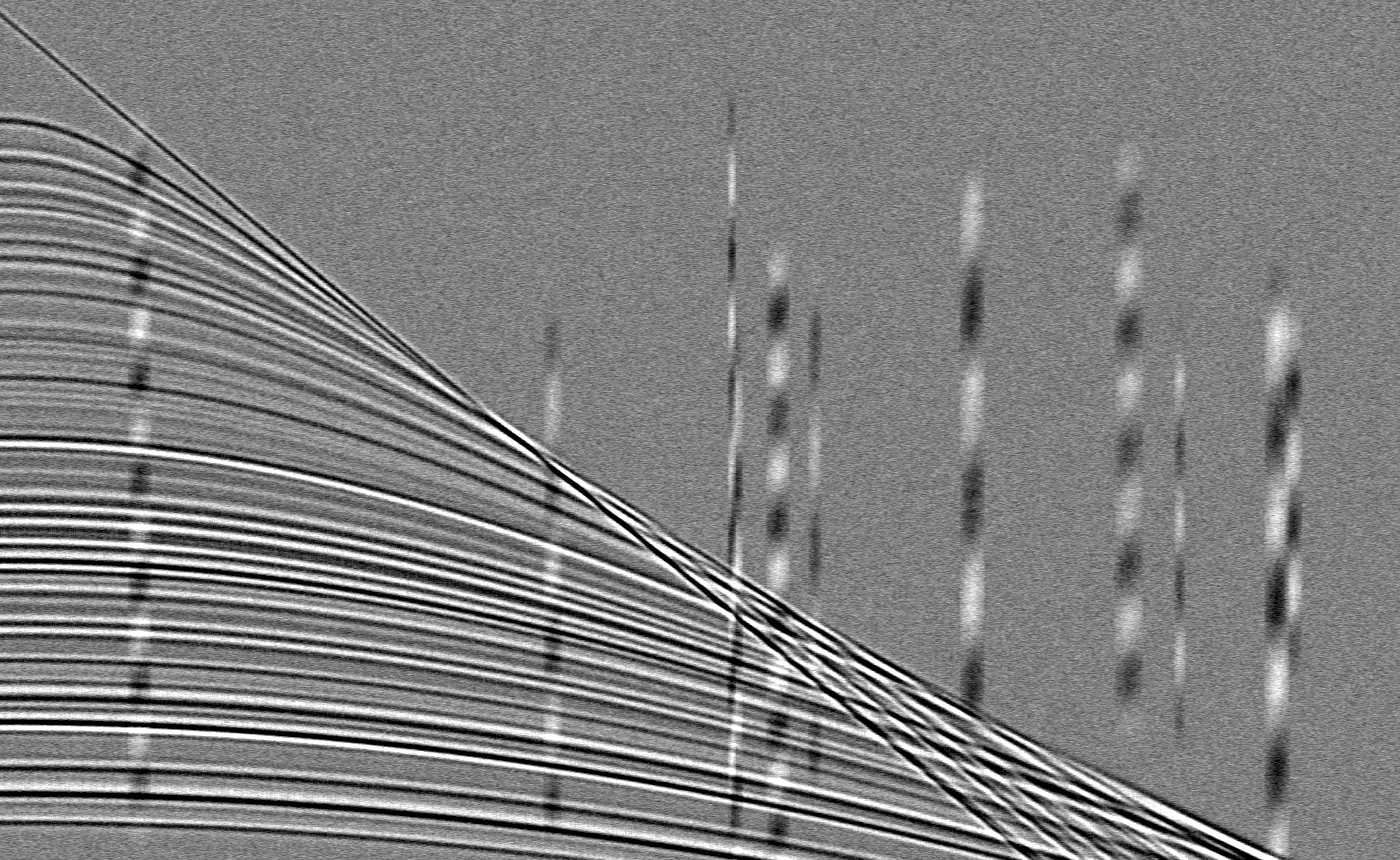
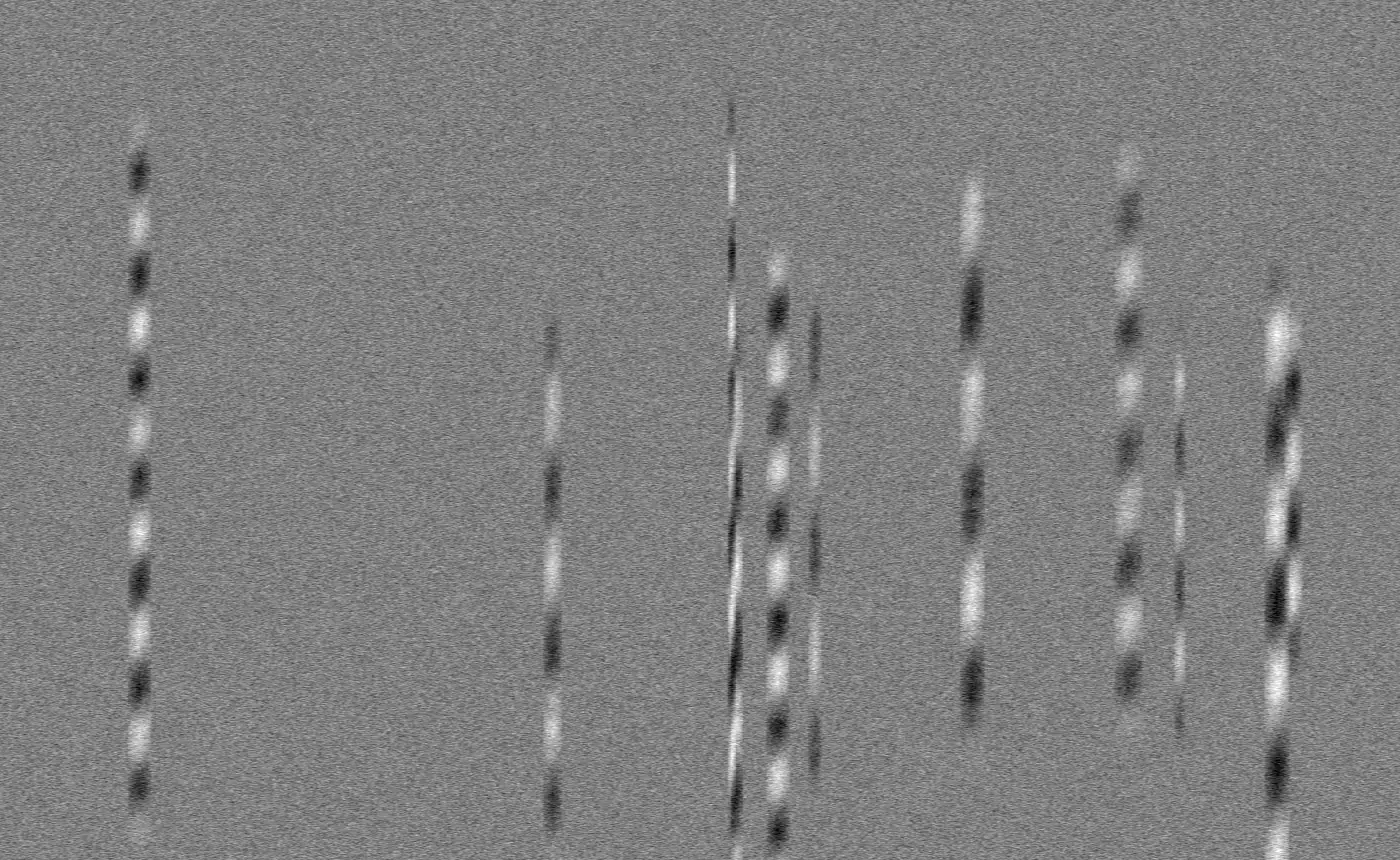
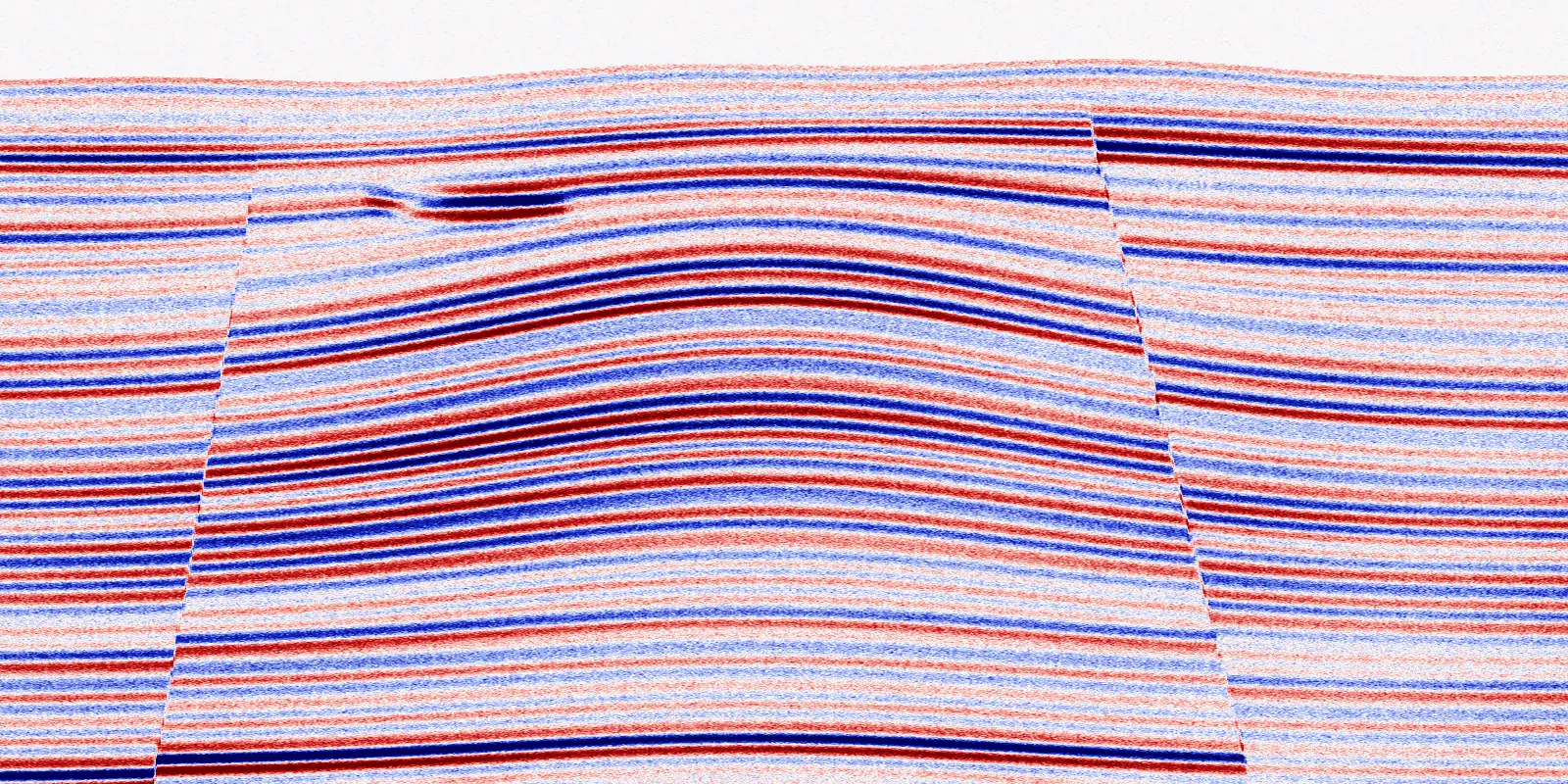
Prepare prestack data for velocity analysis by attenuating noise, removing multiples and correcting for ghosts. You can also separate blended shots and reconstruct missing traces. Automatic first-break picking reduces the number of picks you need to make by hand.
-
 Conventional SeismicBundle
Velocity and imaging
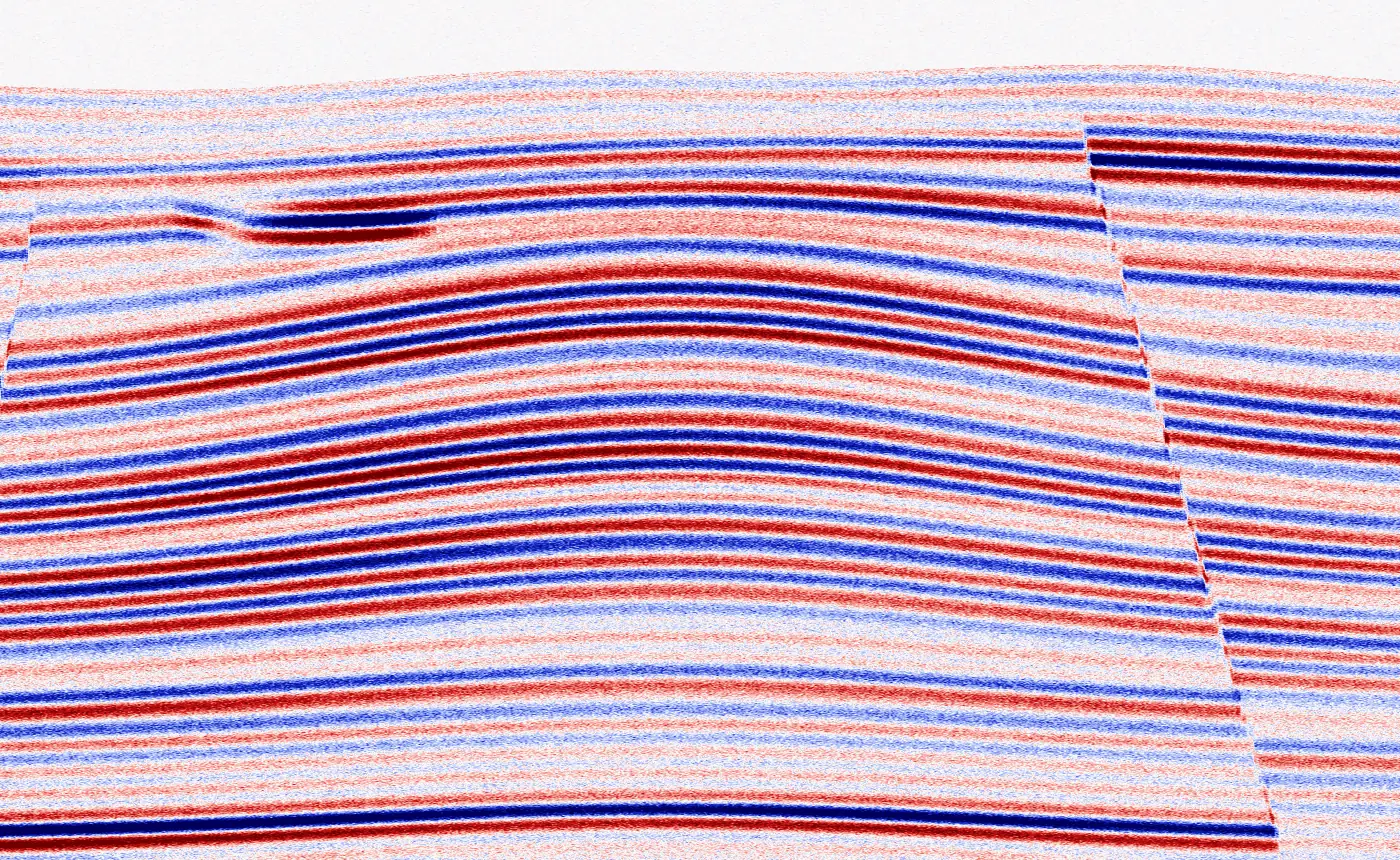
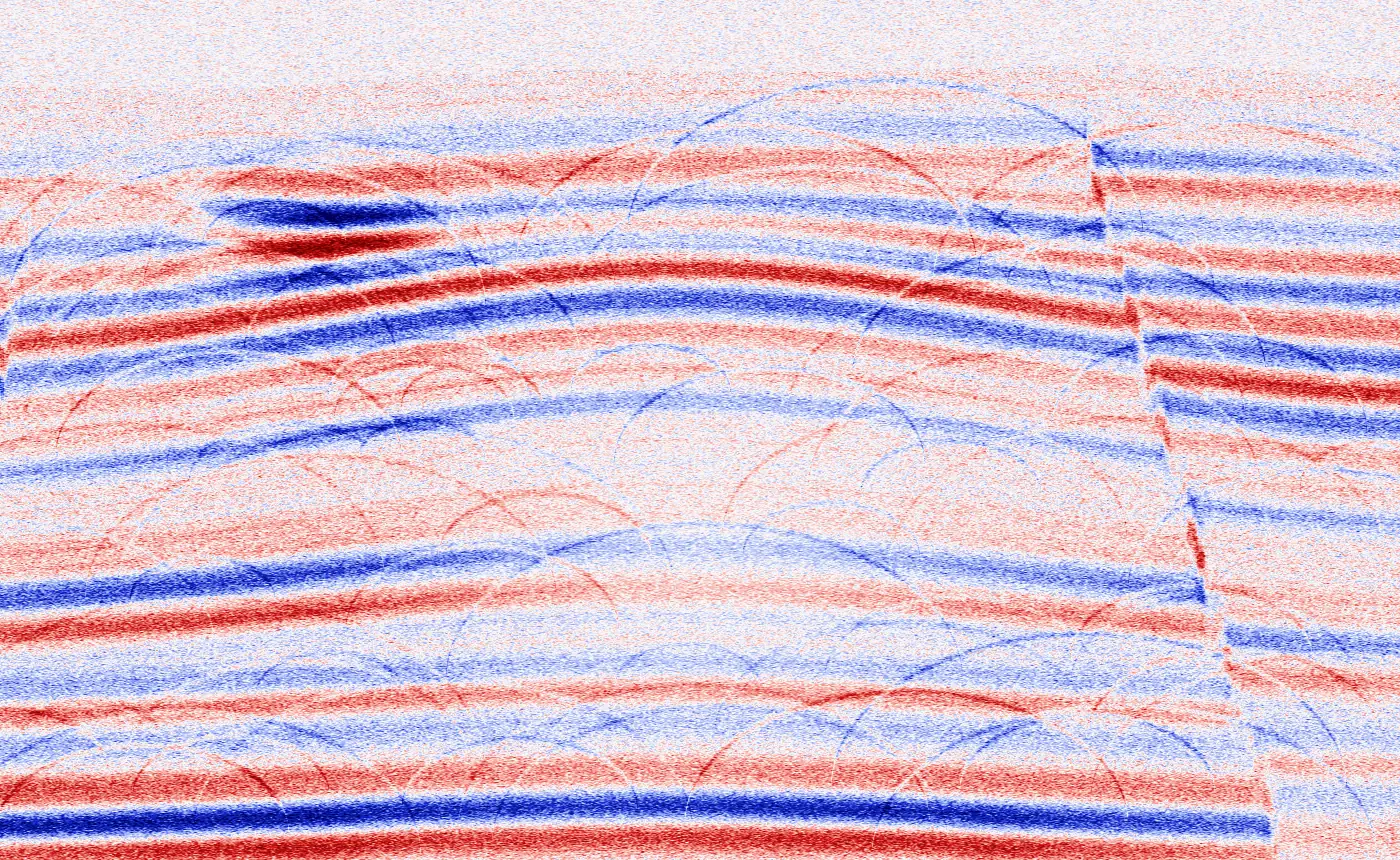
Velocity picking, model building and migration are part of the same workflow. Update the velocity model with tomography, then use Kirchhoff or reverse time migration to image the subsurface. The module supports both time and depth imaging.
-
 Starting model After FWI
Full waveform inversion
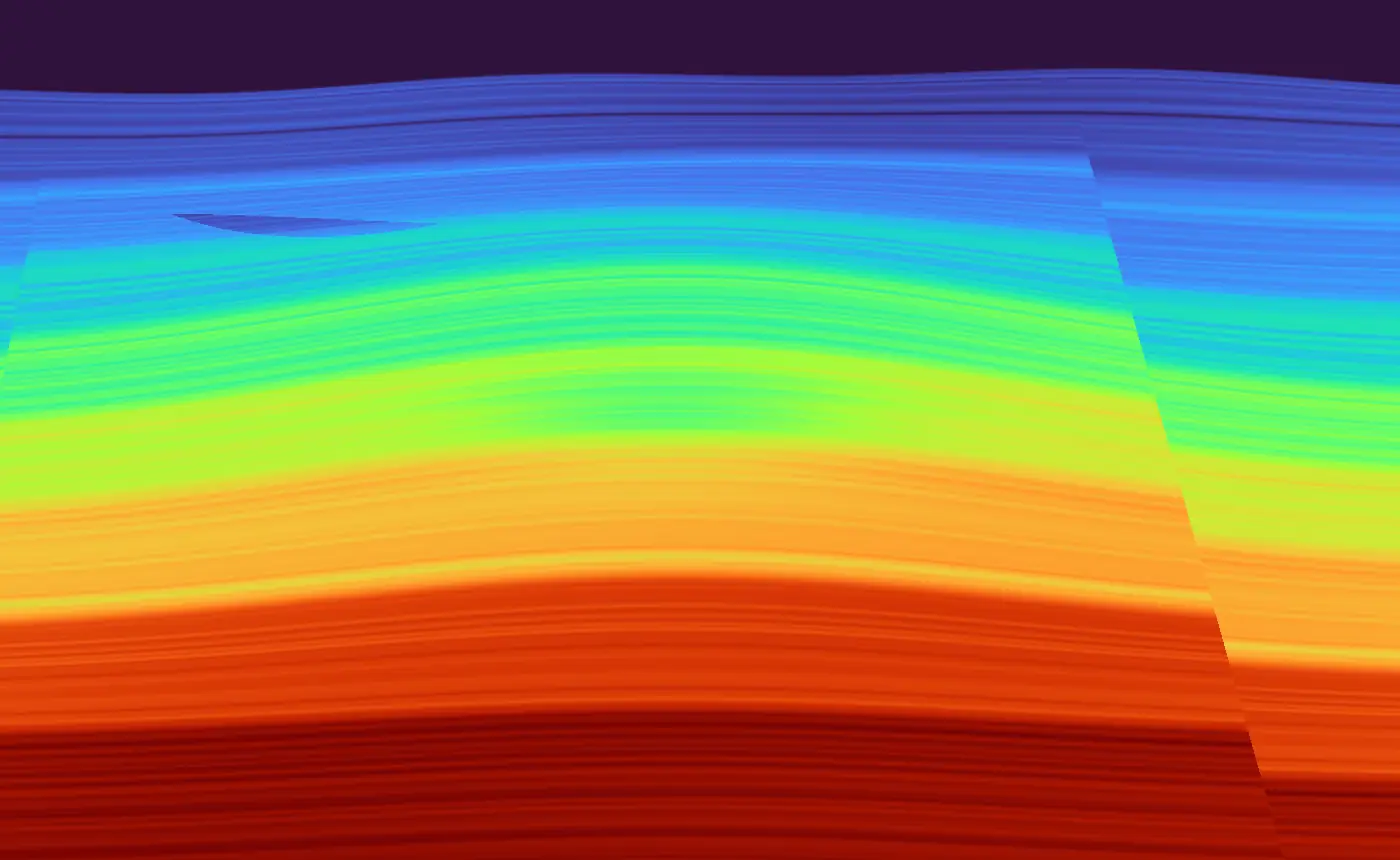
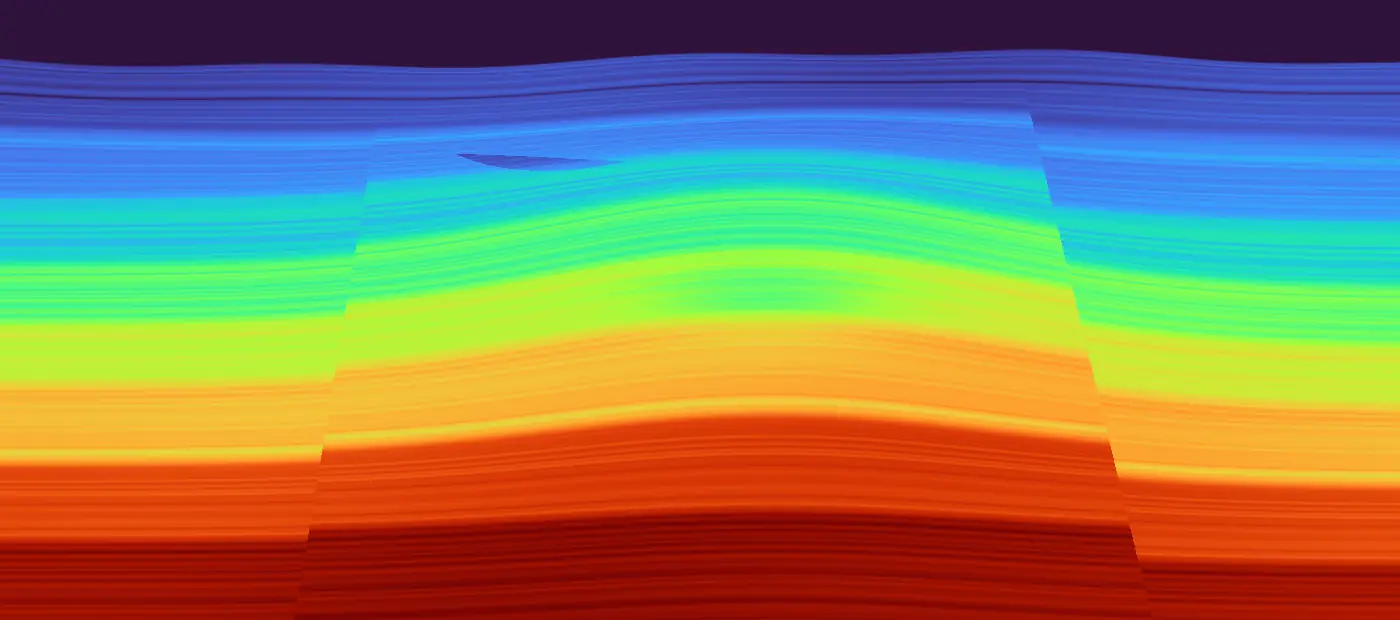
Start with a model built from tomography and well data, then refine it with full waveform inversion. For field recordings with limited low-frequency coverage, the module estimates the missing content and controls cycle skipping as the inversion progresses to higher frequencies.
-
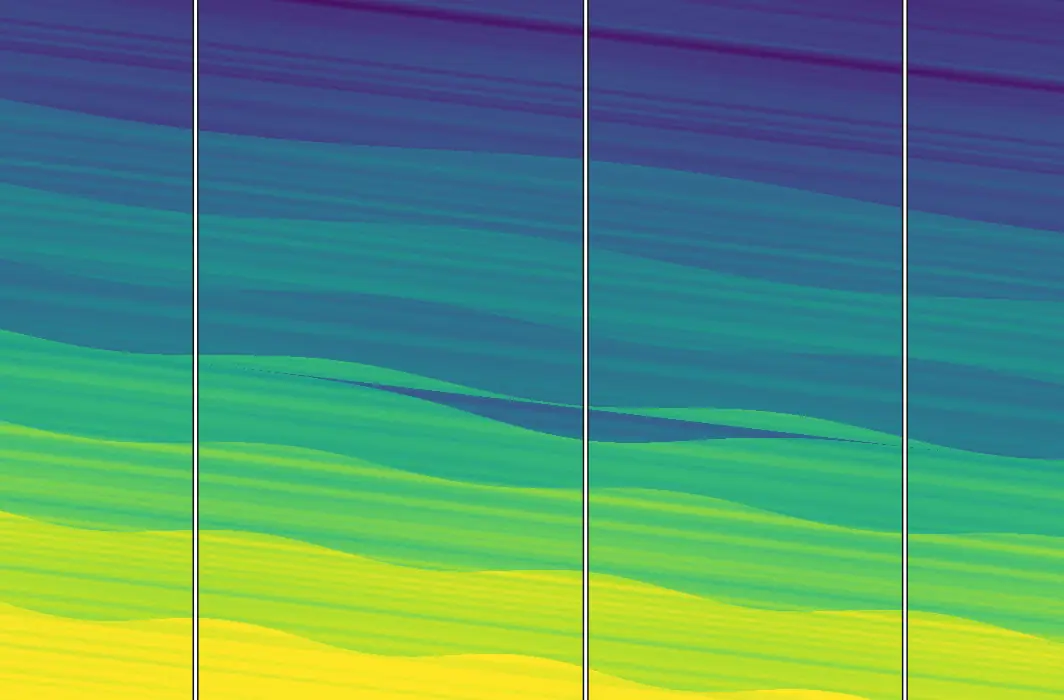
Seismic inversion
Our inversion models estimate impedance and other rock properties from seismic and well data. Each prediction includes an uncertainty estimate, so you can consider the range of possible values when interpreting the subsurface.
-
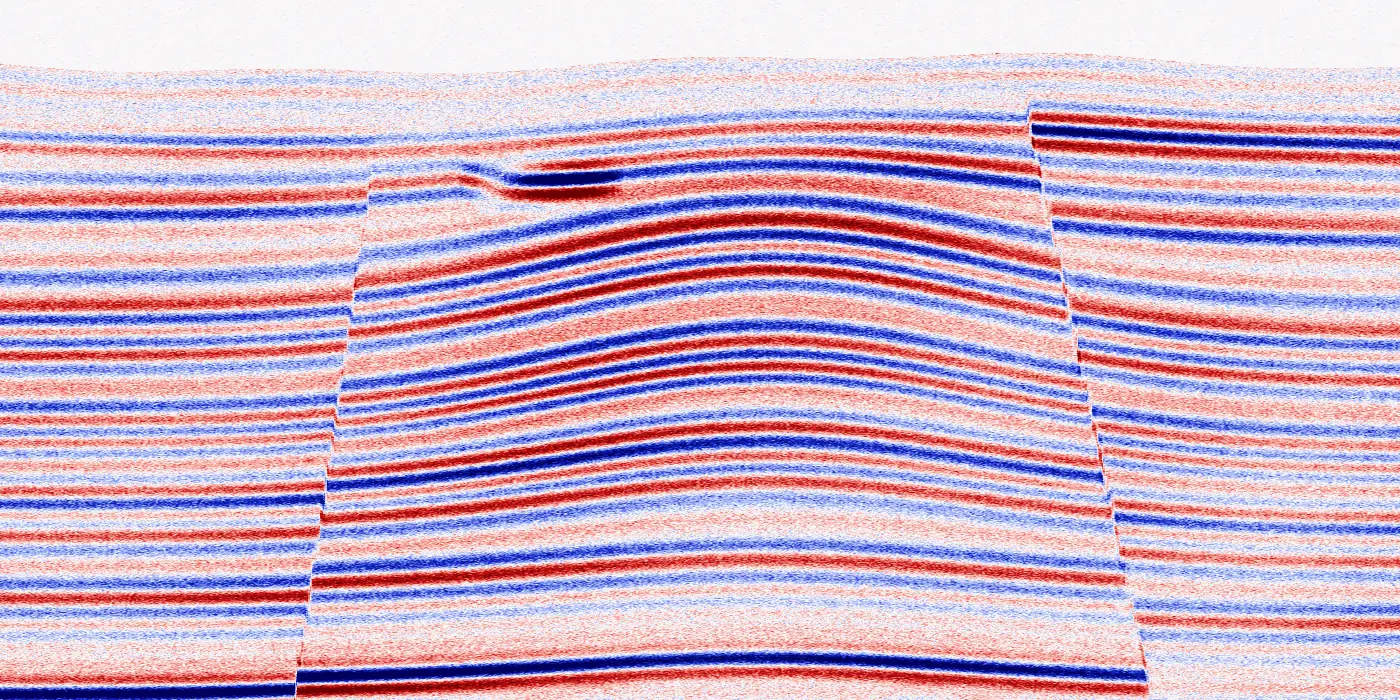 Fault F-1 Confidence 0.94 Fault F-2 Confidence 0.81 Shallow marker Confidence 0.97 Top reservoir Tracked across both faults Base reservoir Tracked across both faults
Interpretation
Automatic fault detection and horizon tracking reduce repetitive work across 3D seismic volumes. The same module extracts salt bodies, channels and other geobodies. You can examine these structures in individual sections or across the full volume.
Our seismic research
Our seismic research focuses on three constraints: sparse well coverage, missing low frequencies and limited interpretation labels.
See TensorBundle's research areasLearning from unlabeled seismic
Our seismic foundation models learn geological patterns from unlabeled surveys. With a small set of expert picks, you can adapt them to a new area's geology.
Inversion with geological constraints
Our probabilistic inversion models combine seismic, well logs and geological constraints to estimate rock properties. They return plausible property ranges alongside the preferred model.
FWI with limited low frequencies
Learned low-frequency extrapolation gives FWI a starting point when field recordings lack low frequencies. Adaptive inversion objectives reduce sensitivity to cycle skipping.
Interpretation in three dimensions
Our interpretation models follow geological structures across neighboring inlines and crosslines. Reading these sections together helps distinguish faults and horizons that are ambiguous in a single section.
Evaluate SeismicBundle on your survey
Start with a problem in your own survey. We'll evaluate the relevant modules on a sample of your data and review the output alongside your existing results.
Request access
Tell us about your survey and what you'd like to test. We'll work out which modules to use, what data we'll need and how to compare the outputs with your current results.
Or email us at info@tensorbundle.com
Request received
Thanks, we've received your request. We'll get back to you with access details and next steps.